

There’s a genuine excitement in peoples’ expressions these days when I mention physical media. Lately I’ve been talking about the cheap walkman I bought on a recent trip to Tokyo, and the various little shops where I hunted for music on cassettes. Unlike in Europe and the US, physical media never went out of vogue in Japan, and many people still have a strong preference for shopping in-person. This made Tokyo the ideal place to rediscover my love of portable analog music.
I searched through racks of tapes stacked on top of an old piano in a back-alley store on the edge of Shimokitazawa, a neighborhood known for thrifted fashion and oddball record shops. On recommendation from a friend-of-a-friend, I checked out a specialist shop on a sleepy street in Nakameguro, where cassettes easily outnumbered vinyl records 10-to-1. Almost always, I steered myself toward local artists whose names I didn’t recognize. Sometimes, I bought tapes based on the cover art or description alone. Most second-hand music stores in Tokyo keep everything sealed in plastic, so you either have to bother the shopkeep, or just trust your gut and take a chance.
There are lots of advantages to the cassette lifestyle. Unlike vinyl records, tapes are compact and super-portable, and unlike streaming, you never have to worry about a giant company suddenly taking them away from you. They can be easily duplicated, shared, and made into mixtapes using equipment you find in a junk shop. When I was a kid, the first music I ever owned were tapes I recorded from MTV with a Kids’ Fisher Price tape recorder. I had no money, so I would listen to those tapes for hours, relishing every word Kim Gordon exhaled on my bootlegged copy of Sonic Youth’s “Bull in the Heather.” Just like back then, my rediscovery of cassettes has led me to start listening more intentionally and deeply, devoting more and more time to each record without the compulsion to hit “skip.” Most of the cassettes I bought in Tokyo had music I probably never would have found or spent time with otherwise.
Getting reacquainted with tapes made me realize how much has been lost in the streaming era. Over the past two decades, platforms like Spotify co-opted the model of peer-to-peer filesharing pioneered by Napster and BitTorrent into a fully captured ecosystem. But instead of sharing, this ecosystem was designed around screen addiction, surveillance, and instant gratification — with corporate middlemen and big labels reaping all the profits.
Cassettes are arguably one of the worst audio storage mediums invented and it’s bizarre to hear about people seeking them out. CDs are superior in so many ways.
This article is making the rounds, and I’ll say here what I’ve said elsewhere:
Cassettes are CRAP!
I did a lot of recording back in the day, using a good 3-head deck and good tape. I manually adjusted the bias for best results, and really pushed the format to its best. At the end of it all though, cassettes were never a hi-fi format and mostly sucked.
You want to own your music? Digital downloads are cheap and convenient. You want physical media? Buy CDs (audio quality, convenience, longevity) or records if you must.
Cassettes are loved by insecure hipsters. The rest of us actually like music.
All I have to say…
sssssssssssssssssssssss.
And then the ones in your car that got too much play with the warble and the stretch changing the tone.
I, for one, am glad they’re gone.
I saw some K-Pop cassettes in a shop the other day. They want like $30-40 for a cassette single. Of course that’s the bizarre world of K-Pop, but still, it’s not a good look for the medium, which is already one of the worst ways to store physical media.
unlike streaming, you never have to worry about a giant company suddenly taking them away from you. They can be easily duplicated, shared, and made into mixtapes using equipment you find in a junk shop.#
I’m almost sure there are other technologies you could use for that…
I can understand going back to records. I enjoy classical music, so there’s a lot of material. But I wouldn’t consider cassettes. I already have some CDs so it’s probably more logical for me to get a CD player. (I only had one in my old computer).
Anyways thanks for posting.
Cassettes have been trending for a couple of years now. Millennials brought back vinyl, so their Gen-Z counterparts had to reject that and brought back cassette tapes. There was a whole TikTok trend about this. So of course now everything is expensive and artists are selling new albums on cassette again.
I can’t wait until Gen Alpha brings back CD’s. (actually my kids have discovered my old CD collection and have been going through it)
Cassettes weren’t HiFi but they weren’t that bad. Everyone’s an audiophile these days I guess.
The problem for me is the longevity. Tapes degrade faster with time and use compared to CDs or digital downloads.
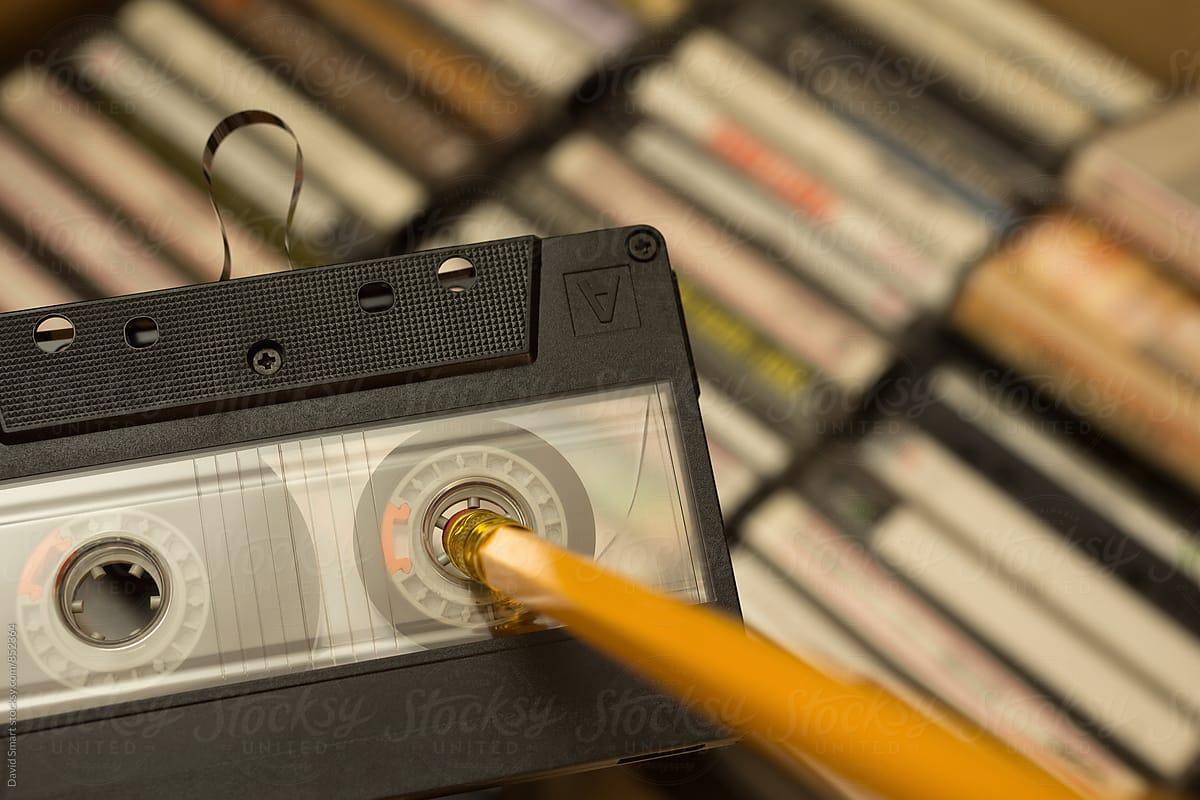
@dontsayaword @alyaza As long as you had a pencil handy. 😆
I’m good with FLAC and DAPs. I don’t need any more clutter around here, still have hundreds of CDs at my parents’ house.
Sharing the general consensus, nothing like plonking down hard earned money to have the deck chew the tape. Bad medium little benefits.