
gedaliyah
- 998 Posts
- 2.67K Comments

 51·2 days ago
What a thoughtful reply from a dev after a detailed, cogent description of tensions and bottlenecks in the ux of the platform they are building.
Interesting, so even you have no way to know whether I was one of the downvotes on this comment?
Prompt:
Draw a triangle with “AI” label inside
Now remove that weird corner
No, the other corner
Now it just says AI all over. I said remove the corner
No, you added more AI labels into the text
Never mind.

To expand on standards of transparency in moderation decisions:
Lemmy was built with a public moderation log by design. The ethos of the platform includes accountability through transparency. Every action is recorded and preserved (short of defederation or instance shutdown).
This makes moderation auditable. Mods literally cannot do (much) shady stuff in secret. In essence, moderation policy is discernable from the logs. That’s part of why well-run communities have the rules clearly defined and mods follow their written policy.
If a community/instance wants to make political alignment a moderation offense, they’re free to do so. Many communities/instances are quite explicit about this. If a community wants to make moderation completely arbitrary, they are free to do so. That is somewhat less common, but also not unheard of.
In truth, any community can be designed and moderated in any way whatsoever that the mod chooses.
However, the success of a community depends on the quality of the content and the quality of the moderation. Good content brings people in, but bad moderation drives people out. When the moderation is unfair, it is bad for the health of the community, and ultimately bad for the health of the platform.
It is my experience that transparent moderation, such as announcing changes in policy, techniques, etc., is less work in the long run. It takes a bit of time and attention to roll out changes when they are open for community feedback, but that feedback will come in one way or another. If mods don’t provide a formal outlet, then users will make one. Mods operating opaquely give up their right to have the conversation on their time and terms. They also miss out on the wisdom of the crowd. I’ve been in many situations where community feedback provided a valuable insight or tool to face an obstacle through open discussion about policy.
All that being said, one of the major obstacles to growth of the Threadiverse is the woeful dearth of moderation tools. It’s extremely time intensive to do basic things like identifying alt accounts, vote manipulation, bot behavior etc. It is also subject to a lot of human error. This makes it discouraging for people to moderate. I have heard about tools that use AI to detect CP content and remove it quickly, which I think we can all agree is a good use of the tech. Tools like this are not built into the platform, but cobbled together by volunteer mods and admins to keep the platform safe, legal, and sustainable. If they were built in, then moderation would be far easier (and therefore likely better).
I don’t like this happening, and there should be transparency in all moderation decisions, but some of these points make no sense.
There is essentially no expectation of privacy on threadiverse platforms. Everything is public and probably already being used to train models.
There is no private messaging system. Direct messages are unencrypted and potentially visible to any instance admins. They and should not be used to share anything sensitive.
“Ok, just wait.”
Bill Watterson was the GOAT

 10·6 days ago
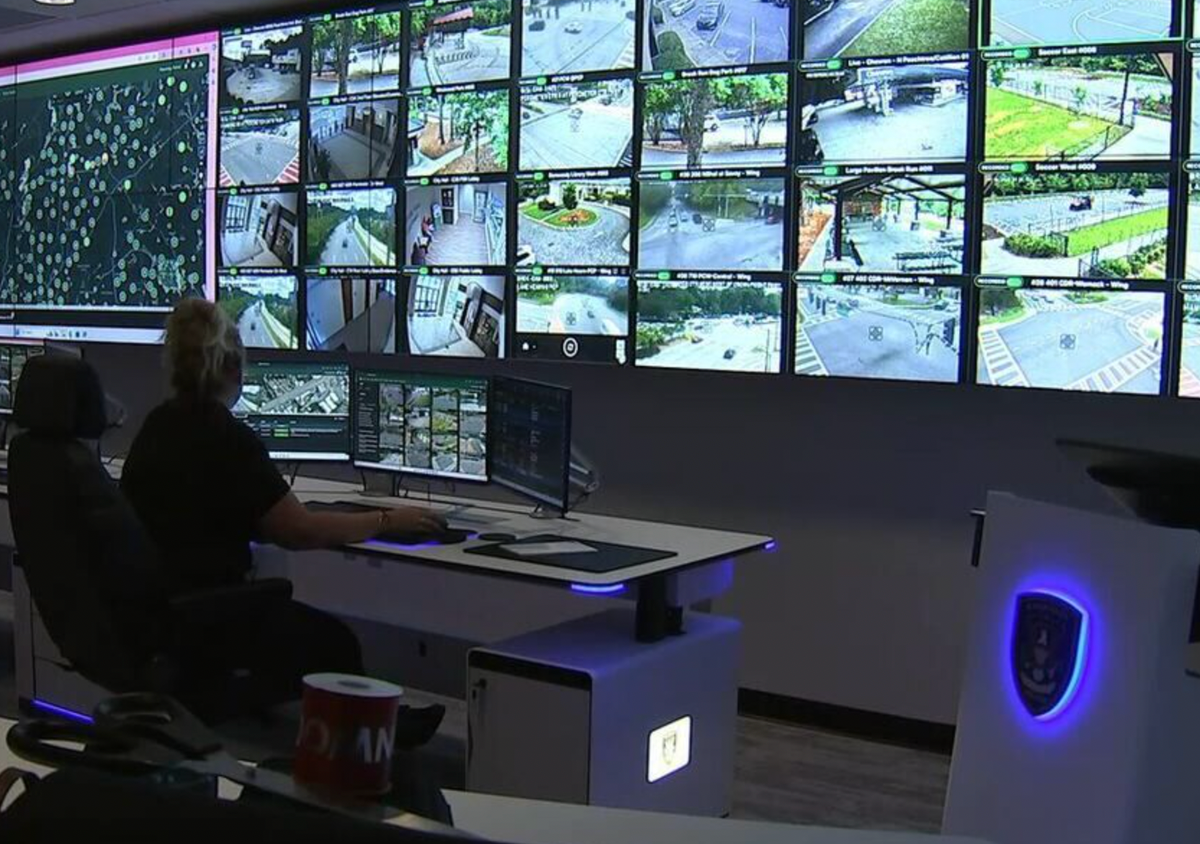
You might want to check out these videos by Benn Jordan, an area activist who has been vocal about the security vulnerabilities and abuses related to community Flock cameras.
 5·8 days ago
Weirdly this does not look like AI. Which only makes me wonder HOW you made this.
Brilliant.


 912·9 days ago
I think sometimes we forget that citizenship in ancient Greece was reserved for wealthy bloodline males who owned land and slaves, and were able-bodied and politically unproblematic.
Sure, Greek democracy was an important first step, but it was functionally just an expansion of the aristocracy. Let’s not romanticize it overmuch.

 1·14 days ago
Thanks, this ended up being a good fit for me, too
 4·14 days ago
Yeah, adulting is hard. But then you do it and you realize that you can do hard things. That feels pretty good.
Or you make a mistake and learn an important lesson; an expert is just someone who has made every possible mistake in an area.
Then eventually hard things stop feeling so scary.
The 3-letter agencies are definitely on here, but it’s unlikely they will do anything. It’s more useful to keep watch

 5·16 days ago
I dare you to describe what is happening here without sounding like a soap opera
I’ve reported a lot of obvious (but not overt) neonazi content on meta and it almost never gets taken down. Maaaaybe 5% on the high end. It has to be extremely overt to register. Obvious dog whistles like “the Austrian leader was right,” using emojis like 👃, or 🧃 to make hate speech against Jews, 🐵 for African Americans, etc. slides right by.
 61·20 days ago
You are literally mad that a public service is serving the public.
Sources available on request.
So if I understand correctly, you open the app or web on your phone, and it controls what’s playing on the TV via the server?
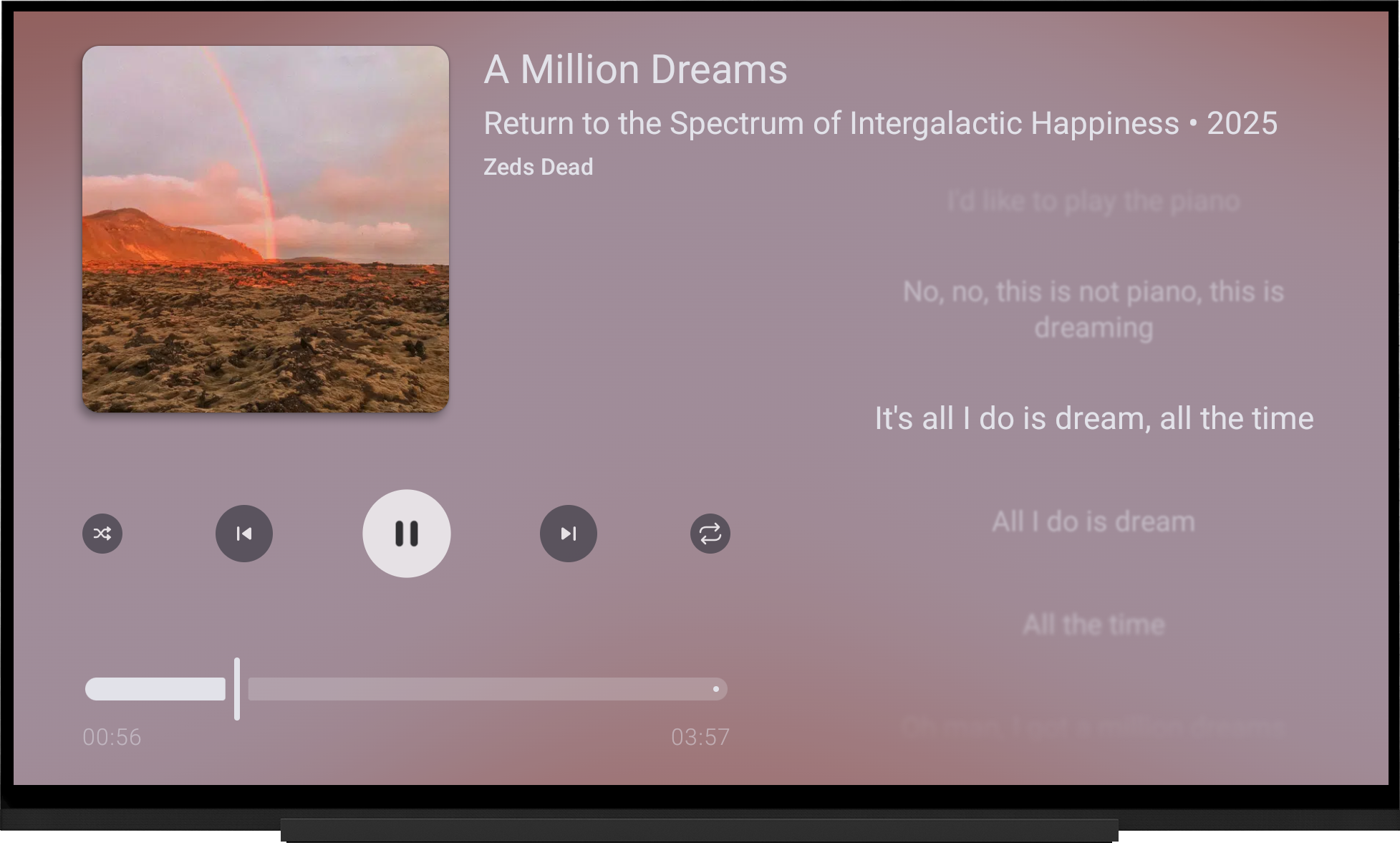
Symfonium is really great, but the TV version doesn’t quite work —or didn’t as of my testing probably a year ago.
I have also stopped using GMS, which makes using paid apps more difficult.
One thing that I really enjoyed was the Android Auto mode, which was flawless.








There is a YouTube series about a lie detector like this.
Edit: here it is